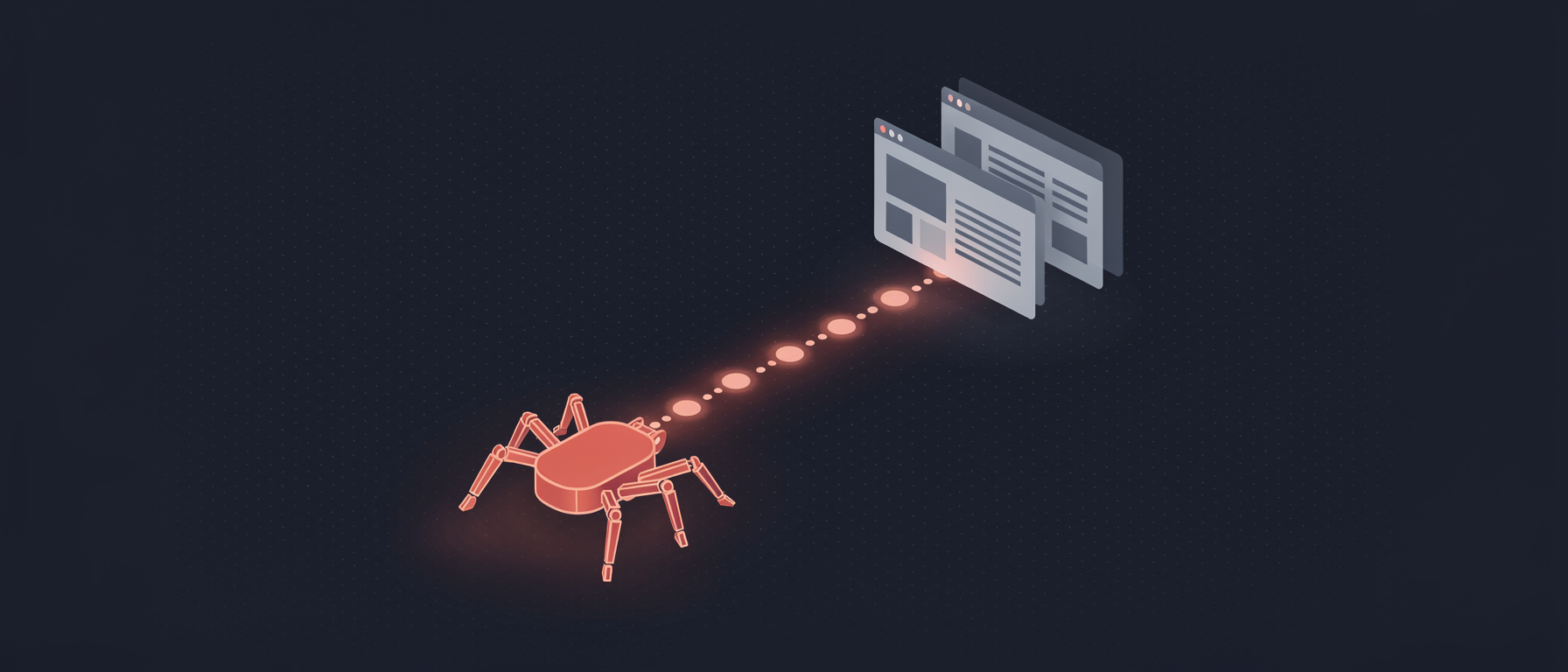
Internal linking for SEO is the most underrated lever you have — because unlike backlinks, you control it completely. Good internal links do three jobs at once: they help Google discover and crawl pages, they pass ranking authority from strong pages to weak ones, and they tell Google what a page is about through anchor text. Here is how to do it well.
Why internal links matter more than people think
Googlebot finds pages by following links. A page with no internal links pointing to it — an "orphan" — is extremely hard for Google to discover and rank, no matter how good it is. On large sites we have measured this directly: pages left off the internal link graph simply do not get crawled, while heavily linked pages get crawled constantly. Internal linking is not decoration; it is the plumbing that moves crawl attention and authority around your site.
Five rules for effective internal linking
- Every important page needs inbound internal links. If a page matters, link to it from several other relevant pages. Run a crawl of your own site and hunt for orphans.
- Use descriptive anchor text. "Read our guide to verifying Googlebot" beats "click here". The anchor text tells Google what the target page is about.
- Link from strong pages to the pages you want to lift. Authority flows along internal links. Point your most-linked, highest-traffic pages at the pages you are trying to rank.
- Keep important pages shallow. A page reachable in two clicks from the homepage gets more crawl attention than one buried six clicks deep.
- Link contextually, within content. A relevant link inside a paragraph carries more weight and gets more clicks than a link buried in a footer.
Build topic clusters
The strongest internal-linking pattern is the topic cluster: one comprehensive "pillar" page on a broad subject, surrounded by focused articles on sub-topics, all linking to each other and back to the pillar. This does two things — it concentrates authority on the pillar, and it signals to Google that you cover the topic thoroughly. This very article is part of a cluster on crawling and indexing; notice how it links to related pieces.
A common mistake: linking to dead pages
When you prune or remove pages, remember to remove the internal links pointing at them. Links to pages that now return 404 or 410 waste crawl budget and create a poor experience. We once removed a large batch of pages and later found 61 live pages still linking to the removed URLs — a full link-integrity scan caught them. Whenever you change your site structure, re-scan your internal links.
How to audit your internal linking
Crawl your own site with any SEO crawler and look for: orphan pages (zero inbound internal links), pages buried too deep, broken internal links, and important pages with far fewer inbound links than they deserve. Fixing internal linking is often the fastest, cheapest ranking improvement available — it needs no new content and no backlinks.
A full website audit from IT Reidarsson AB maps your entire internal link graph and flags exactly which pages are under-linked, orphaned, or pointing at dead URLs.